

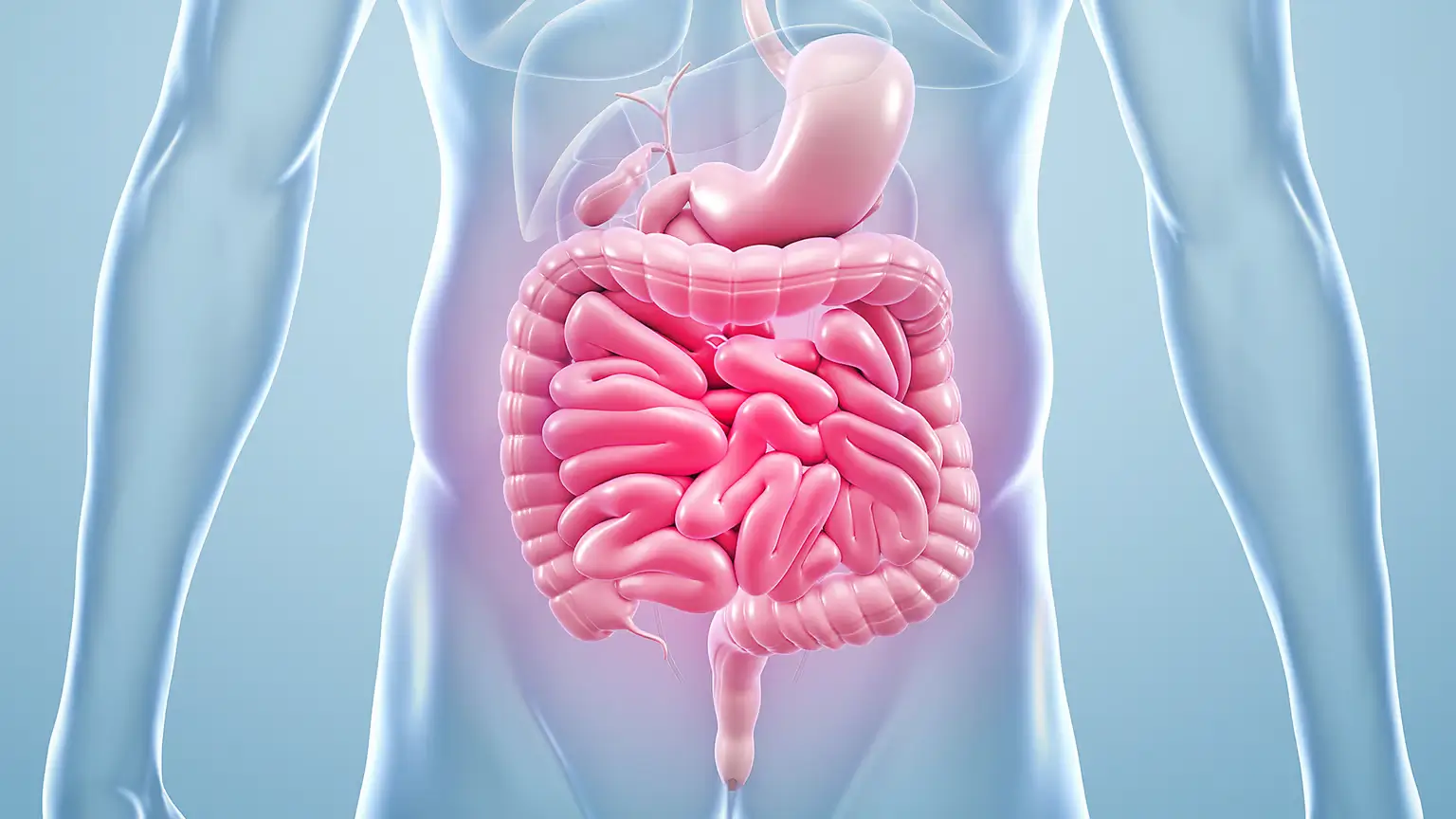
Gut health has become one of the most talked-about topics in modern health—and for good reason. The gut influences digestion, immunity, mental clarity, and even mood. When your digestive system is balanced, your entire body functions more efficiently.
This article breaks down what gut health truly means, why it matters, and how you can support it naturally and sustainably.
What Is Gut Health?
Gut health refers to the balance and function of microorganisms living in your digestive tract, collectively known as the gut microbiome. These bacteria, fungi, and other microbes help digest food, produce essential nutrients, and protect against harmful pathogens.
A healthy gut is characterized by:
-
Efficient digestion
-
Minimal bloating or discomfort
-
Regular bowel movements
-
Strong immune response
When this balance is disrupted, it can affect far more than digestion alone.
Why Gut Health Is So Important
The gut is often called the “second brain” because of its close connection to the nervous system. Nearly 70% of the immune system resides in the gut, making it a critical line of defense.
Key benefits of good gut health include:
-
Improved nutrient absorption
-
Stronger immunity
-
Better mental health and mood regulation
-
Reduced inflammation
-
Lower risk of chronic disease
Poor gut health, on the other hand, has been linked to fatigue, skin issues, food sensitivities, and weakened immunity.
Signs of an Unhealthy Gut
Many people live with gut imbalance without realizing it. Common warning signs include:
-
Frequent bloating or gas
-
Constipation or diarrhea
-
Acid reflux
-
Unexplained weight changes
-
Brain fog or low energy
-
Frequent infections
Recognizing these signs early can help prevent long-term complications.
Foods That Support Gut Health
Diet plays a central role in shaping the gut microbiome. Certain foods nourish beneficial bacteria and improve digestive balance.
Best Gut-Friendly Foods
-
Fiber-rich foods: Whole grains, legumes, fruits, and vegetables
-
Fermented foods: Yogurt, kefir, sauerkraut, kimchi
-
Prebiotic foods: Garlic, onions, bananas, oats
-
Healthy fats: Olive oil, nuts, seeds
These foods help beneficial bacteria thrive and strengthen the gut lining.
Habits That Damage Gut Health
Even a nutritious diet can be undermined by unhealthy lifestyle choices. Common gut disruptors include:
-
Chronic stress
-
Poor sleep quality
-
Excessive sugar intake
-
Overuse of antibiotics
-
Highly processed foods
Addressing these factors is just as important as choosing the right foods.
Simple Lifestyle Changes to Improve Gut Health
Improving gut health doesn’t require drastic measures. Small, consistent habits can make a significant difference.
Effective strategies include:
-
Eating mindfully and slowly
-
Staying hydrated
-
Managing stress through breathing or movement
-
Getting adequate sleep
-
Maintaining regular physical activity
Over time, these habits help restore microbial balance and digestive comfort.
Gut Health and Mental Well-Being
The gut and brain communicate through the gut-brain axis. When the gut microbiome is healthy, it supports the production of neurotransmitters like serotonin, which influence mood and emotional stability.
This connection explains why digestive issues often coincide with anxiety, low mood, or irritability—and why improving gut health can enhance mental resilience.
Long-Term Benefits of a Healthy Gut
When gut health is prioritized, the benefits extend across the body:
-
More stable energy levels
-
Clearer skin
-
Stronger immunity
-
Better stress tolerance
-
Improved quality of life
Gut health is not a short-term fix but a long-term investment in overall wellness.
Frequently Asked Questions (FAQs)
1. How long does it take to improve gut health?
Noticeable improvements can occur within a few weeks, but lasting changes usually take several months of consistent habits.
2. Are probiotics necessary for everyone?
Not always. Many people can support gut health through diet alone, though probiotics may help in specific situations.
3. Can stress alone affect gut health?
Yes. Chronic stress can disrupt digestion, alter gut bacteria, and increase inflammation.
4. Is bloating always a sign of poor gut health?
Occasional bloating is normal, but frequent or severe bloating may indicate an imbalance or food sensitivity.
5. Does drinking more water help the gut?
Proper hydration supports digestion, nutrient absorption, and regular bowel movements.
6. Can gut health affect skin conditions?
Yes. Gut imbalance has been linked to acne, eczema, and other inflammatory skin issues.
7. Is gut health important as you age?
Absolutely. Maintaining a healthy gut becomes even more important with age to support immunity and nutrient absorption.