

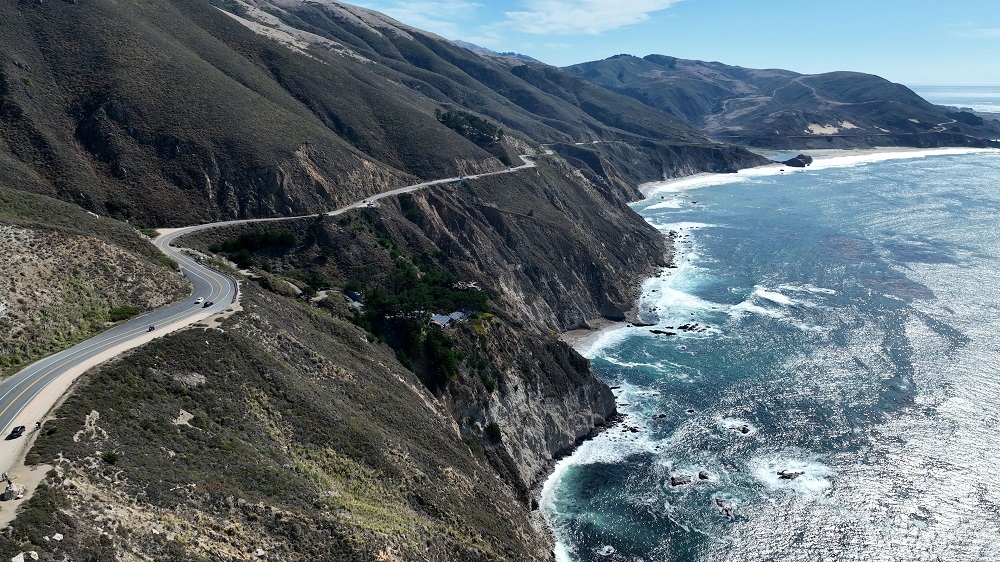
Road trips offer a rare kind of freedom—no rigid schedules, just the open road and landscapes unfolding mile by mile. The best routes are not simply about reaching a destination; they’re about immersing yourself in breathtaking scenery, charming towns, and unforgettable natural vistas. From coastal highways to winding mountain passes, these scenic drives transform travel into an experience.
Below are some of the world’s most remarkable road trip routes known for their extraordinary views and unforgettable journeys.
Pacific Coast Highway (California, USA)
The Pacific Coast Highway (Highway 1) is one of the most iconic coastal drives in the world. Stretching along California’s rugged coastline, it delivers dramatic cliffs, crashing waves, and sweeping ocean views.
Highlights Along the Route
- Big Sur: Towering cliffs drop sharply into the Pacific Ocean.
- Bixby Creek Bridge: One of the most photographed bridges in California.
- McWay Falls: A rare waterfall flowing directly into the ocean.
- Monterey and Carmel-by-the-Sea: Charming coastal towns filled with art galleries and seaside restaurants.
This route is best enjoyed slowly. Frequent scenic pullouts invite travelers to pause and absorb the coastal beauty.
Great Ocean Road (Victoria, Australia)
Australia’s Great Ocean Road offers a spectacular drive along the southeastern coastline of Victoria. Built by returning soldiers after World War I, the road is both a memorial and one of the country’s most scenic routes.
Must-See Landmarks
- Twelve Apostles: Towering limestone stacks rising from the Southern Ocean.
- Loch Ard Gorge: Stunning cliffs and turquoise waters.
- Cape Otway Lighthouse: A historic lighthouse with panoramic coastal views.
- Otway National Park: Dense rainforests, waterfalls, and wildlife.
Travelers often spot koalas in eucalyptus trees and enjoy countless lookout points along the route.
Icefields Parkway (Alberta, Canada)
The Icefields Parkway runs through the heart of the Canadian Rockies, connecting Banff and Jasper National Parks. This route feels like driving through a living postcard of glaciers, turquoise lakes, and towering mountains.
Scenic Stops
- Athabasca Glacier: One of the most accessible glaciers in North America.
- Peyto Lake: Famous for its wolf-shaped turquoise waters.
- Bow Lake: Surrounded by dramatic mountain peaks.
- Sunwapta Falls: Powerful waterfalls hidden within dense forest.
Wildlife sightings—including elk, bears, and mountain goats—are common along this drive.
Garden Route (South Africa)
South Africa’s Garden Route stretches along the country’s southern coastline and blends beaches, forests, lagoons, and mountain landscapes into one unforgettable drive.
Experiences Along the Route
- Knysna Lagoon: Known for its dramatic sandstone cliffs called “The Heads.”
- Tsitsikamma National Park: Coastal hiking trails and suspension bridges.
- Plettenberg Bay: Golden beaches and whale-watching opportunities.
- Oudtshoorn: Home to ostrich farms and nearby limestone caves.
Adventure activities such as kayaking, canopy tours, and bungee jumping make this route especially appealing for active travelers.
Ring Road (Iceland)
Iceland’s Ring Road (Route 1) circles the entire island, offering access to some of the planet’s most surreal landscapes. Volcanoes, glaciers, waterfalls, and lava fields appear around nearly every bend.
Natural Wonders Along the Route
- Seljalandsfoss Waterfall: Visitors can walk behind the cascading water.
- Skógafoss: One of Iceland’s most powerful waterfalls.
- Jökulsárlón Glacier Lagoon: Floating icebergs in a glacial lake.
- Black Sand Beaches: Dramatic volcanic shores near Vik.
The changing landscapes make this route feel like traveling through multiple worlds in a single trip.
Tips for Planning a Scenic Road Trip
A successful scenic road trip requires preparation. While spontaneity adds excitement, planning ensures you don’t miss key viewpoints and attractions.
Practical Tips
- Start early in the day to catch softer lighting and avoid traffic.
- Research scenic stops ahead of time to maximize the experience.
- Carry a camera or smartphone for landscape photography.
- Check weather conditions, especially for mountain or coastal drives.
- Allow extra time for unexpected discoveries and detours.
Packing Essentials
- Reusable water bottles
- Offline maps or GPS navigation
- Snacks and picnic supplies
- Portable phone charger
- Comfortable clothing for changing weather
Why Scenic Road Trips Are So Memorable
Scenic routes turn travel into storytelling. Each curve of the road reveals new landscapes, wildlife encounters, and cultural experiences that cannot be replicated by flights or train journeys.
Unlike traditional vacations focused solely on destinations, scenic road trips highlight the journey itself. Travelers often remember the roadside viewpoints, hidden cafés, and spontaneous stops just as vividly as the places they intended to visit.
FAQ
1. What is the best time of year for scenic road trips?
Spring and autumn are often ideal because of mild weather, fewer crowds, and vibrant natural colors such as blooming flowers or fall foliage.
2. How do I choose the best scenic road route?
Consider landscapes you enjoy most—coastal views, mountains, forests, or deserts. Research routes known for those features and plan stops accordingly.
3. Are scenic road trips suitable for beginners?
Yes. Many famous scenic drives are well maintained and clearly marked. Starting with shorter routes can help new road-trippers gain confidence.
4. What type of vehicle is best for a scenic road trip?
A comfortable and fuel-efficient car is usually sufficient. For rugged terrain or remote routes, an SUV or all-wheel-drive vehicle may be preferable.
5. How long should a scenic road trip last?
It depends on the route, but most travelers enjoy scenic drives over 3–10 days to allow time for exploration and relaxation.
6. How can I avoid crowds on popular scenic routes?
Travel during shoulder seasons, visit viewpoints early in the morning, and explore lesser-known stops along the route.
7. What should I do if weather conditions change during the trip?
Check forecasts regularly, keep flexible plans, and prioritize safety by adjusting your itinerary when necessary.