

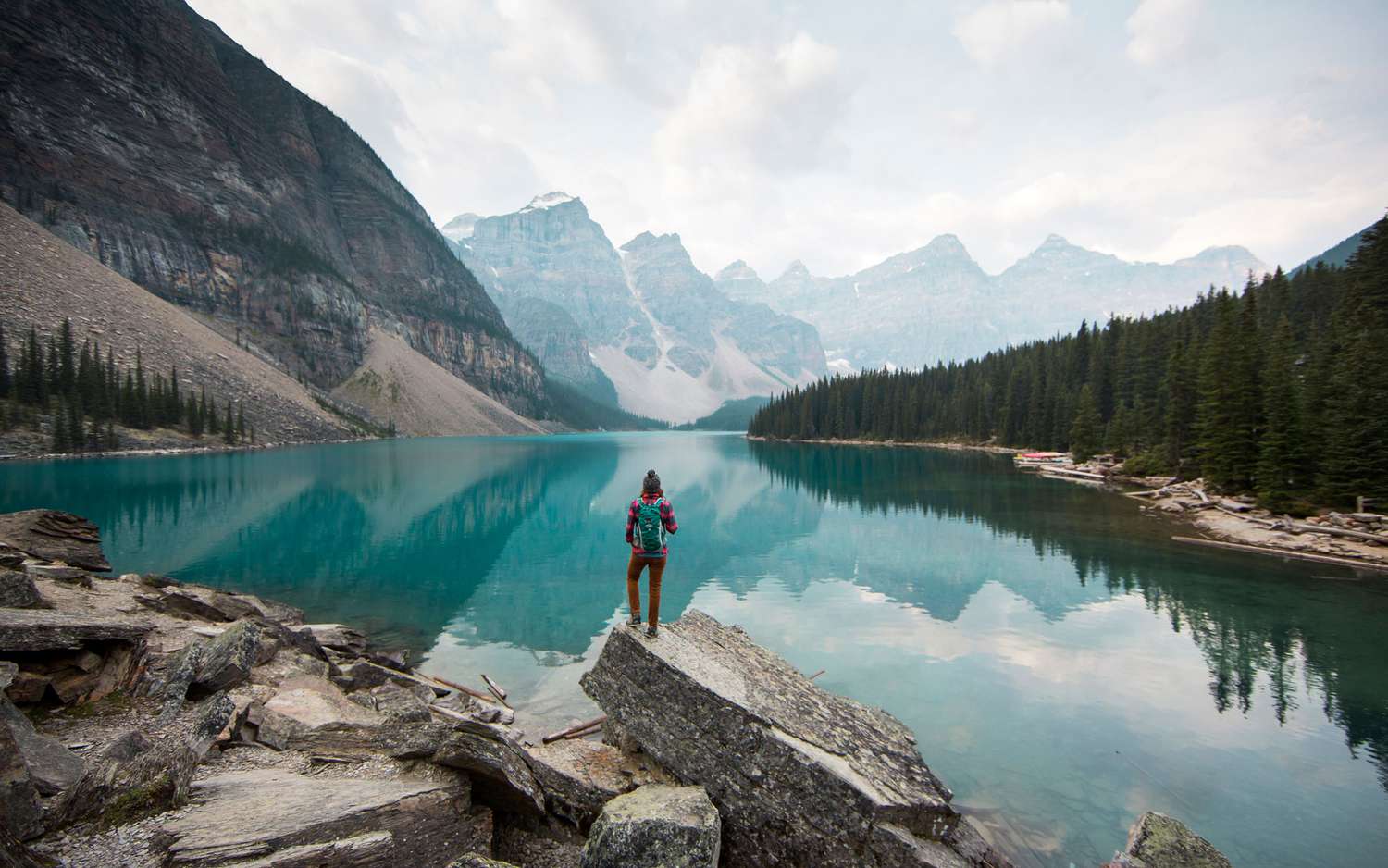
Solo travel has evolved from a niche choice into a global movement. More travelers are choosing to explore destinations independently, driven by a desire for freedom, self-discovery, and authentic experiences. Traveling alone is no longer seen as lonely—it is increasingly viewed as empowering.
Why Solo Travel Is Gaining Popularity
Modern travelers value flexibility and personal growth. Solo travel delivers both without compromise.
Key reasons behind its popularity include:
-
Greater control over itineraries and budgets
-
Opportunities for deep cultural immersion
-
Personal confidence and independence
-
Easier connection with locals and fellow travelers
Unlike group travel, solo journeys allow you to move at your own pace and focus on what truly interests you.
Benefits of Traveling Alone
Traveling solo offers advantages that extend beyond sightseeing.
Personal Growth and Self-Reliance
When you travel alone, decision-making rests entirely with you. This builds resilience, adaptability, and problem-solving skills that often translate into everyday life.
Authentic Cultural Experiences
Solo travelers are more approachable, making it easier to engage with locals. These interactions often lead to memorable conversations, local insights, and unique experiences that guided tours may overlook.
Freedom and Flexibility
Plans can change instantly without negotiation. Whether you want to stay longer in a city or leave early, the choice is entirely yours.
Best Destinations for Solo Travelers
Some destinations naturally lend themselves to solo exploration due to safety, infrastructure, and social atmosphere.
Popular solo-friendly destinations include:
-
Japan for safety, efficiency, and culture
-
Portugal for affordability and friendly locals
-
New Zealand for outdoor adventures
-
Thailand for budget travel and social hostels
-
Iceland for scenic road trips
These locations are known for being welcoming and easy to navigate alone.
Safety Tips for Solo Travel
Safety is a priority, especially when traveling alone. Preparation makes a significant difference.
Essential safety practices:
-
Research destinations and neighborhoods in advance
-
Share itineraries with trusted contacts
-
Avoid displaying valuables publicly
-
Trust your instincts in unfamiliar situations
-
Keep digital and physical copies of important documents
Being cautious does not mean being fearful—it simply ensures peace of mind.
Budgeting and Planning for Solo Trips
Solo travel does not have to be expensive. Smart planning helps keep costs manageable.
Money-saving strategies include:
-
Choosing hostels or guesthouses
-
Using public transportation
-
Traveling during shoulder seasons
-
Booking experiences directly with local providers
Planning ahead allows you to enjoy more experiences without financial stress.
How Solo Travel Enhances Mental Well-Being
Traveling alone encourages mindfulness and reflection. Without constant conversation or compromise, many travelers find clarity and renewed motivation.
Solo journeys often result in:
-
Reduced stress
-
Improved self-awareness
-
Increased creativity
-
A stronger sense of independence
These benefits often last long after the trip ends.
FAQs
Is solo travel safe for beginners?
Yes, with proper research and preparation, solo travel can be safe even for first-time travelers.
Do solo travelers get lonely?
Occasional loneliness can happen, but many solo travelers find it easy to meet people through hostels, tours, and local events.
What is the best age for solo travel?
There is no ideal age. Solo travel suits anyone seeking independence and new experiences.
How long should a first solo trip be?
A short trip of 5–7 days is ideal for beginners to build confidence without feeling overwhelmed.
Are solo trips more expensive?
They can be slightly costlier due to single accommodations, but budgeting strategies help balance expenses.
How can introverts enjoy solo travel?
Solo travel suits introverts well, offering control over social interaction and plenty of personal space.
Can solo travel help with self-confidence?
Yes, navigating new environments alone often leads to increased confidence and self-trust.