

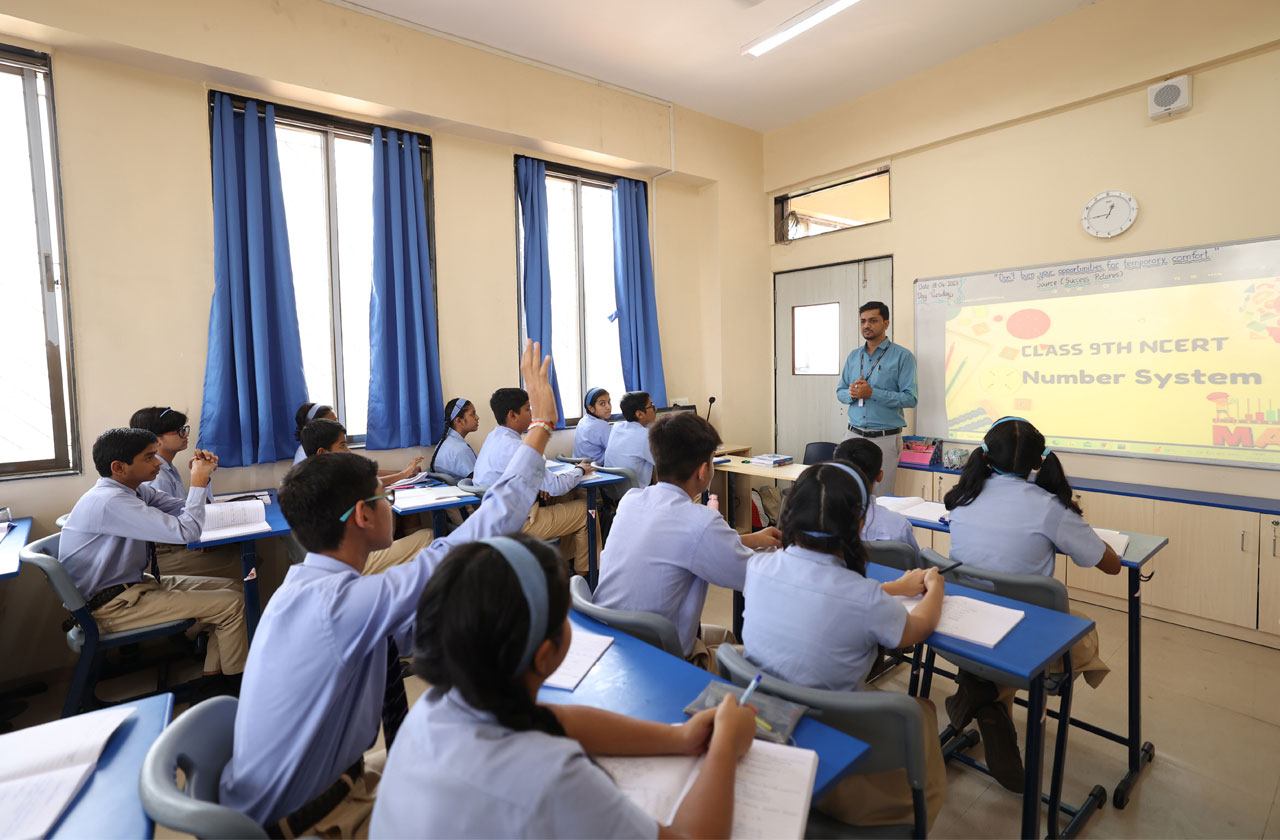
Education is the foundation of personal growth, social development, and economic progress. It equips individuals with knowledge, skills, and values that shape their identities and opportunities. More than just academic instruction, education fosters critical thinking, creativity, and resilience, which are essential for navigating a rapidly changing world. By investing in education, societies create pathways for innovation, equality, and long-term sustainability.
Why Education Matters
The significance of education extends beyond classrooms and degrees. It empowers people to make informed decisions, engage in their communities, and pursue careers that align with their aspirations. In many ways, education acts as a bridge to opportunity, reducing barriers and helping individuals break cycles of poverty.
Education also nurtures a sense of responsibility, encouraging learners to respect diversity, care for the environment, and contribute positively to society. This is why governments, institutions, and families consider it a top priority.
Early Childhood Education
The journey of learning begins long before formal schooling. Early childhood education plays a vital role in cognitive, emotional, and social development. Children exposed to structured learning environments at a young age often develop stronger language, problem-solving, and social skills.
Key benefits of early education include:
-
Improved communication and literacy
-
Stronger social interactions
-
Better preparedness for primary school
-
Development of empathy and teamwork
Parents and caregivers also play an active role by encouraging curiosity, storytelling, and play-based learning, which lay the foundation for lifelong growth.
Primary and Secondary Education
Primary and secondary schools form the backbone of any education system. They provide structured knowledge in subjects like mathematics, science, languages, and the arts. More importantly, they help children develop discipline, responsibility, and teamwork.
Secondary education, in particular, acts as a bridge to higher studies or vocational training. At this stage, students often explore their interests and begin shaping career aspirations.
Challenges in this phase often include unequal access, outdated curricula, and lack of resources. Addressing these issues ensures that all children, regardless of background, have the chance to succeed.
Higher Education and Beyond
Universities and colleges not only deepen academic expertise but also prepare students for careers in specialised fields. Higher education institutions are hubs of research and innovation, driving technological and societal progress.
Yet, success in this stage is not solely measured by academic achievement. Skills such as leadership, teamwork, adaptability, and communication are equally valuable. Students who embrace both knowledge and practical skills are often better prepared for the demands of the modern workforce.
Vocational and Technical Education
Not all students follow a traditional academic path. Vocational and technical training offers practical skills for industries such as healthcare, engineering, design, and technology. This form of education is highly valuable as it:
-
Provides career-specific skills
-
Meets the demand for skilled workers
-
Offers alternative routes to employment
-
Bridges the gap between education and the job market
By valuing both academic and vocational education equally, societies can ensure a diverse, competent, and balanced workforce.
The Digital Transformation of Education
The rise of technology has revolutionised learning methods. Online courses, digital classrooms, and interactive platforms now complement traditional teaching. Virtual learning environments provide flexibility, enabling students to learn at their own pace and from any location.
Digital education offers opportunities such as:
-
Accessibility for learners in remote areas
-
Cost-effective resources compared to physical textbooks
-
Interactive tools that enhance engagement
-
Personalised learning paths through artificial intelligence
However, the digital divide remains a challenge. Access to reliable internet and devices is still unequal across regions, highlighting the need for inclusive policies.
Lifelong Learning and Adult Education
Education should not end with graduation. Lifelong learning is increasingly important in a world where industries evolve rapidly. Professionals often upskill or reskill to remain relevant in their careers. Adult education also benefits individuals seeking personal growth, whether through language learning, digital literacy, or creative pursuits.
Employers, governments, and communities can encourage lifelong learning by providing accessible training, workshops, and online resources.
Social and Economic Impact of Education
The benefits of education ripple across societies. Economically, educated populations contribute to higher productivity, innovation, and stability. Socially, education fosters tolerance, civic responsibility, and stronger communities.
Countries with robust education systems often see:
-
Reduced poverty rates
-
Higher employment opportunities
-
Lower crime rates
-
Better public health outcomes
-
Increased gender equality
In this way, education is both a personal and collective investment in a brighter future.
Overcoming Barriers to Education
Despite its importance, many challenges limit access to quality education. Common barriers include:
-
Poverty and financial constraints
-
Gender inequality
-
Political instability and conflict
-
Lack of trained teachers
-
Inadequate infrastructure
Overcoming these barriers requires collaboration between governments, non-profits, and local communities. Initiatives such as scholarships, digital education platforms, and inclusive policies can make education more accessible.
The Future of Education
The future of education is likely to be shaped by technology, globalisation, and the need for adaptability. Traditional classrooms may increasingly blend with digital learning, offering hybrid models that cater to diverse needs.
Key trends shaping the future include:
-
Artificial intelligence in personalised learning
-
Global exchange programmes fostering cultural understanding
-
Emphasis on sustainability and climate education
-
Skills-based education prioritising adaptability over memorisation
By embracing these changes, education systems can prepare learners not only for jobs of today but for opportunities of tomorrow.
FAQs About Education
Why is early childhood education so important?
Early education builds the foundation for lifelong skills, including communication, social interaction, and problem-solving. Children who attend early learning programmes often perform better academically later on.
How does education affect economic growth?
Education boosts productivity, innovation, and employability. Countries with higher education rates generally experience stronger economic development and lower poverty levels.
What role does technology play in education?
Technology expands access to learning, provides interactive tools, and enables personalised education. However, it also highlights the digital divide, requiring efforts to ensure all students benefit equally.
Is vocational education as valuable as university education?
Yes. Vocational training provides essential skills for specific industries and is critical for addressing workforce demands. Both academic and vocational routes contribute to a balanced economy.
What is lifelong learning and why is it necessary?
Lifelong learning refers to continuous education throughout life. It is necessary to adapt to changing industries, stay competitive in the job market, and pursue personal growth.
How can barriers to education be reduced?
Solutions include investing in infrastructure, offering scholarships, training teachers, and adopting inclusive digital learning platforms that reach underprivileged communities.