

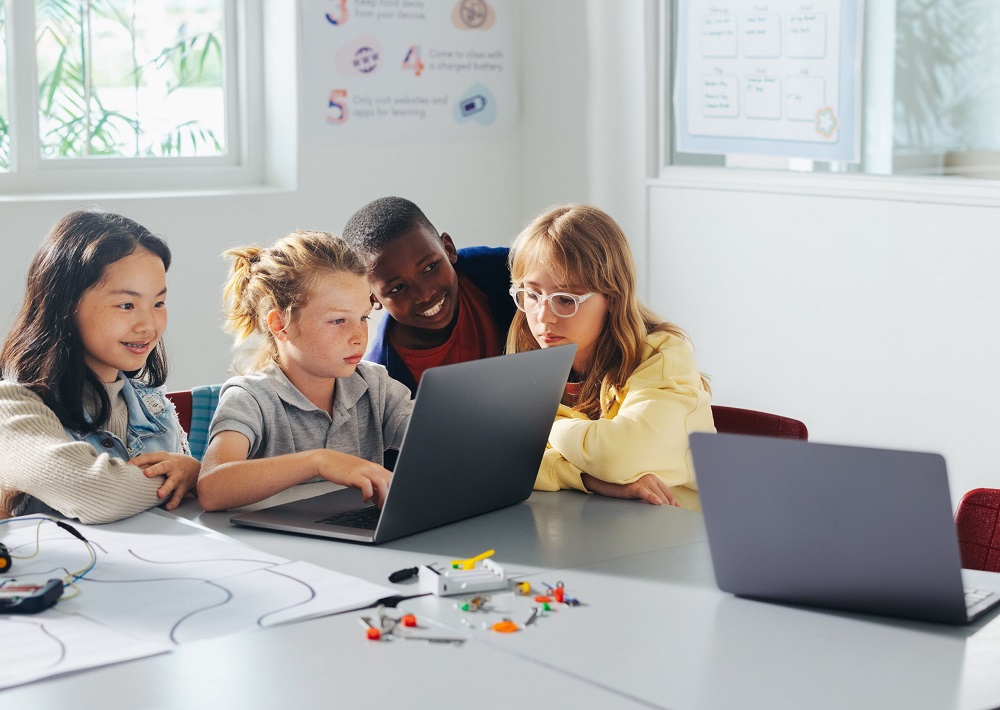
Education is one of the most powerful tools for personal growth and societal development. It equips individuals with knowledge, skills, values, and critical thinking abilities that help them navigate life effectively. Beyond academics, education influences culture, innovation, economic stability, and social harmony.
In today’s rapidly changing world, education is no longer limited to classrooms or textbooks. It has become a lifelong process that adapts to technological, social, and economic shifts.
The Meaning and Purpose of Education
At its core, education is about learning and understanding the world. It nurtures curiosity, encourages independent thought, and prepares individuals to contribute meaningfully to society.
The main purposes of education include:
-
Intellectual development through structured learning
-
Skill building for personal and professional life
-
Character formation based on ethics and values
-
Social awareness and civic responsibility
Education empowers people to make informed decisions and solve real-world problems with confidence.
Types of Education
Education exists in multiple forms, each playing a unique role in human development.
Formal Education
Formal education follows a structured system and is usually delivered through schools, colleges, and universities. It includes:
-
Primary education
-
Secondary education
-
Higher education
This form of education focuses on standardized curricula, assessments, and certifications.
Informal Education
Informal education happens outside traditional institutions. It includes learning from daily experiences, family interactions, media, and self-study. Though unstructured, it strongly influences behavior, values, and practical knowledge.
Non-Formal Education
Non-formal education lies between formal and informal systems. Examples include vocational training, online courses, workshops, and community learning programs. It is flexible, goal-oriented, and often skill-focused.
The Role of Education in Society
Education is a cornerstone of a stable and progressive society. It contributes to social and economic development in several ways.
Key societal benefits of education include:
-
Economic growth through a skilled workforce
-
Reduced inequality by creating opportunities
-
Improved health awareness and lifestyle choices
-
Stronger democratic participation
Educated societies tend to be more innovative, tolerant, and resilient during times of change.
Education in the Digital Age
Technology has transformed how people learn. Digital tools have expanded access to education and reshaped traditional teaching methods.
Major changes include:
-
Online learning platforms and virtual classrooms
-
Personalized learning through data and analytics
-
Access to global knowledge resources
-
Integration of artificial intelligence in education
While digital education increases accessibility, it also highlights challenges such as the digital divide and the need for digital literacy.
Challenges Facing Education Systems
Despite its importance, education systems worldwide face several obstacles that limit their effectiveness.
Common challenges include:
-
Unequal access to quality education
-
Outdated curricula that lag behind industry needs
-
Teacher shortages and insufficient training
-
Overemphasis on exams rather than practical skills
Addressing these issues requires policy reforms, investment, and collaboration between governments, educators, and communities.
The Future of Education
The future of education is expected to be more flexible, inclusive, and learner-centered. Emphasis is shifting toward creativity, critical thinking, emotional intelligence, and adaptability.
Emerging trends include:
-
Lifelong learning models
-
Blended learning approaches
-
Focus on skills over memorization
-
Global collaboration and cross-cultural learning
Education will continue to evolve as societies redefine what it means to be prepared for the future.
Frequently Asked Questions (FAQs)
What is the main goal of education?
The main goal of education is to develop knowledge, skills, values, and critical thinking that help individuals lead productive and meaningful lives.
How does education impact economic development?
Education improves workforce skills, increases productivity, and supports innovation, all of which contribute to economic growth.
Why is lifelong learning important?
Lifelong learning helps individuals adapt to changing technologies, careers, and societal needs throughout their lives.
What is the difference between formal and non-formal education?
Formal education follows a structured curriculum in institutions, while non-formal education is flexible, skill-focused, and often short-term.
How has technology changed education?
Technology has expanded access to learning, enabled online education, and introduced personalized and interactive learning experiences.
What are the biggest challenges in modern education?
Major challenges include unequal access, outdated teaching methods, lack of resources, and gaps in digital literacy.
How can education become more inclusive?
Education can become more inclusive through policy support, affordable access, adaptive learning methods, and culturally responsive teaching.