

Introduction to the Auto Sector
The auto industry has always reflected technological progress, economic shifts, and consumer behavior. From early mechanical vehicles to today’s software-driven machines, automobiles have transformed how people move, work, and live. In recent years, innovation has accelerated, reshaping vehicles into smarter, safer, and more sustainable products.
Evolution of Automobiles
The journey of automobiles can be divided into key phases that highlight how mobility has evolved over time.
Early Mechanical Era
The first automobiles focused on basic transportation, replacing horse-drawn carriages. Reliability and affordability were the primary concerns, with minimal attention to comfort or efficiency.
Mass Production and Global Expansion
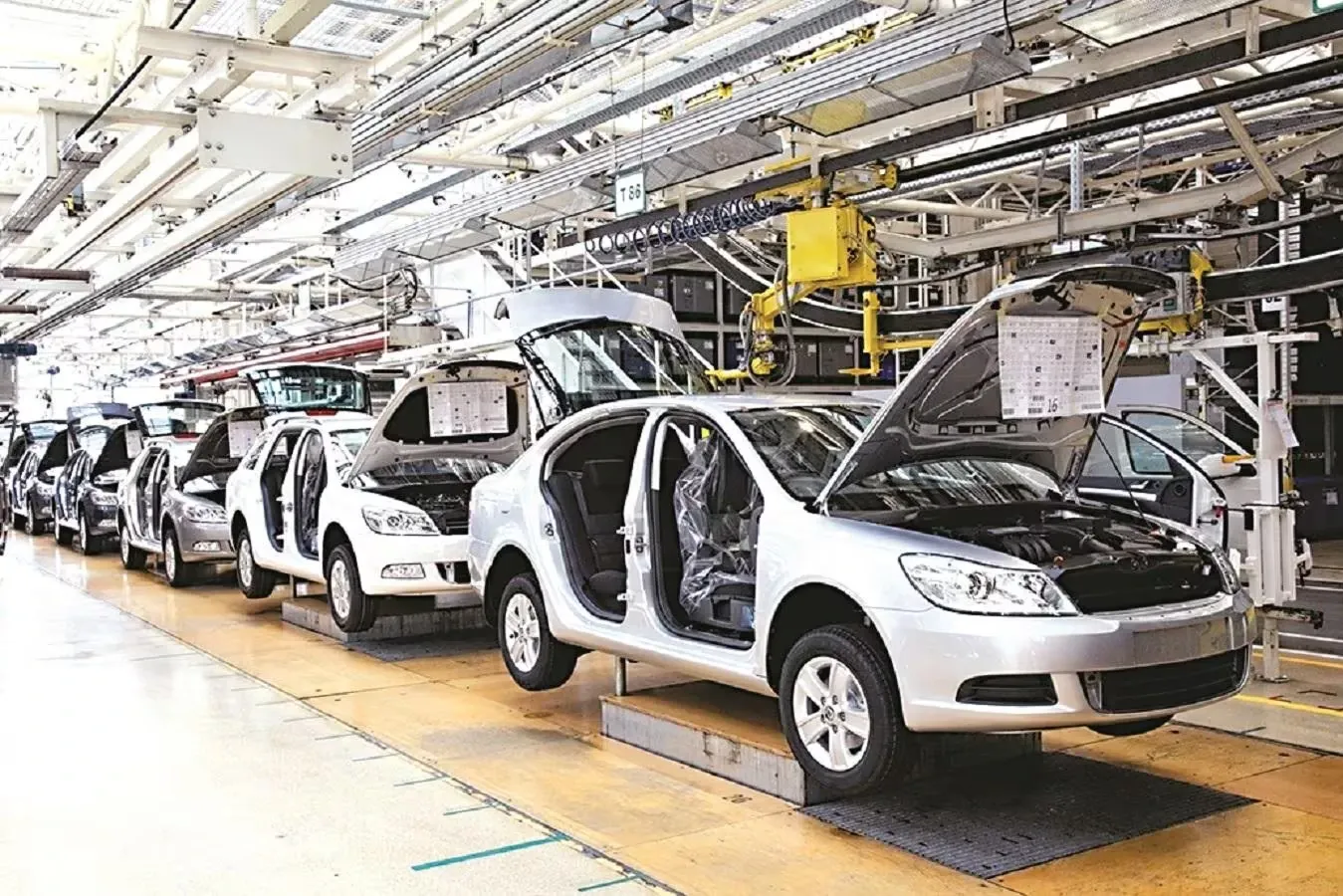
The introduction of assembly-line manufacturing made cars accessible to the middle class. Brands expanded globally, and vehicles became symbols of personal freedom and economic growth.
Digital and Connected Age
Modern cars now integrate software, sensors, and connectivity, offering features such as navigation systems, driver assistance, and real-time diagnostics.
Key Trends Shaping the Auto Industry
Electric Vehicles (EVs)
Electric cars are redefining transportation by reducing emissions and reliance on fossil fuels. Governments and manufacturers are investing heavily in EV infrastructure and battery technology.
Benefits of EVs include:
-
Lower running costs
-
Reduced environmental impact
-
Quieter driving experience
Autonomous and Assisted Driving
Advanced driver-assistance systems (ADAS) are becoming standard, improving road safety and reducing accidents. Fully autonomous vehicles are still developing but show strong potential.
Connected and Smart Cars
Vehicles are now part of the digital ecosystem, offering:
-
Over-the-air software updates
-
Smartphone integration
-
Predictive maintenance alerts
Importance of Sustainability in Autos
Sustainability is no longer optional. Automakers are adopting recyclable materials, improving fuel efficiency, and reducing manufacturing emissions to meet global environmental standards.
Consumer Expectations Today
Modern buyers look beyond horsepower and design. Key factors influencing purchase decisions include:
-
Safety ratings
-
Technology features
-
Fuel efficiency or electric range
-
Long-term maintenance costs
Challenges Facing the Auto Industry
Despite rapid innovation, the industry faces obstacles such as:
-
Supply chain disruptions
-
Rising raw material costs
-
Regulatory compliance across regions
-
Cybersecurity risks in connected vehicles
The Road Ahead
The future of the auto industry points toward clean energy, automation, and personalization. Vehicles will continue evolving into intelligent mobility solutions rather than simple machines.
Frequently Asked Questions (FAQs)
1. What does the term “auto industry” include?
It includes vehicle manufacturing, parts suppliers, dealerships, maintenance services, and emerging mobility technologies.
2. Are electric cars more expensive than traditional cars?
Initial costs can be higher, but long-term savings on fuel and maintenance often balance the price difference.
3. How safe are modern cars compared to older models?
Modern vehicles are significantly safer due to advanced safety systems, crash structures, and driver-assistance technologies.
4. What role does software play in modern automobiles?
Software controls navigation, safety features, infotainment systems, and even vehicle performance optimization.
5. Will autonomous cars replace human drivers completely?
Not in the near future. Human-driven cars will coexist with autonomous vehicles for many years.
6. How is sustainability changing car manufacturing?
Manufacturers are using eco-friendly materials, improving efficiency, and adopting cleaner production processes.
7. What should buyers consider when choosing a new car today?
Buyers should evaluate safety, technology, efficiency, long-term costs, and environmental impact.