

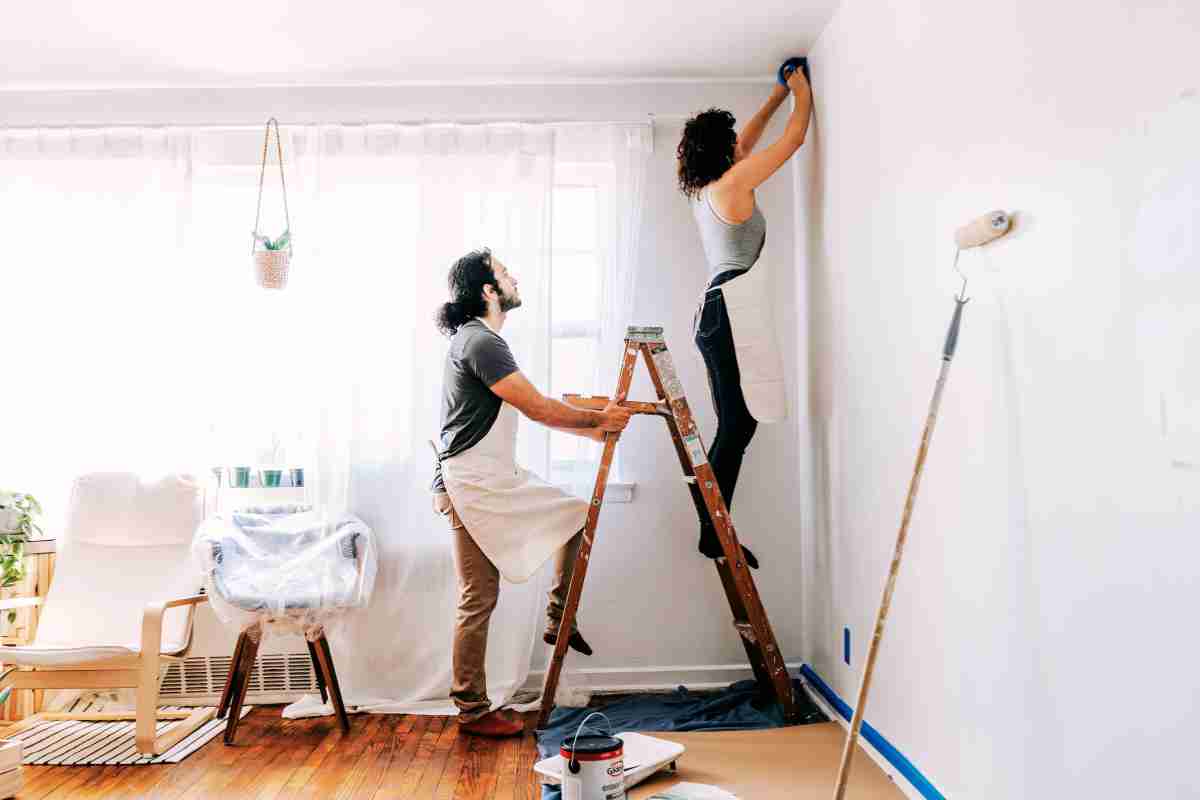
Home improvement is more than just enhancing the aesthetic appeal of a property; it is about creating comfort, increasing functionality, and adding long-term value to your home. Whether you are looking to upgrade a single room or undertake a full renovation, understanding the right strategies and ideas can help you achieve results that truly elevate your living environment. For many homeowners, investing in home improvement not only boosts day-to-day comfort but also significantly raises resale value.
Why Home Improvement Matters
Improving your home is about striking a balance between lifestyle needs and financial sense. A well-thought-out home upgrade can:
-
Increase property value
-
Improve energy efficiency
-
Enhance comfort and functionality
-
Prevent long-term maintenance issues
-
Provide a sense of pride and satisfaction
When planned carefully, home improvements become less of an expense and more of an investment.
Planning Your Home Improvement Project
Every successful renovation starts with a clear plan. Jumping into changes without structure can lead to unnecessary costs and delays.
Set a Budget
Decide how much you are willing to invest and ensure you factor in a cushion of at least 10% for unexpected expenses. Always separate needs from wants so you prioritise wisely.
Define Your Goals
Ask yourself whether the improvement is meant to solve a practical issue, enhance comfort, or boost resale value. Clear goals help you avoid unnecessary design choices.
Research and Inspiration
Browse home design websites, magazines, and local showrooms. Visiting open homes can also spark creative and realistic ideas.
Hire Professionals or DIY?
Some tasks, like painting or minor carpentry, can be DIY-friendly. However, electrical, structural, and plumbing work usually require qualified professionals to ensure safety and compliance.
Popular Home Improvement Ideas
Kitchen Renovations
The kitchen is often the heart of the home, and upgrading it can make daily life more enjoyable while adding immense property value. Key improvements include:
-
Installing modern cabinets and countertops
-
Adding energy-efficient appliances
-
Upgrading lighting fixtures for both function and ambience
-
Creating an open-plan design to enhance space flow
Bathroom Upgrades
A well-designed bathroom brings luxury and practicality. Consider:
-
Installing walk-in showers with glass enclosures
-
Adding underfloor heating for comfort
-
Using water-saving fixtures to reduce bills
-
Choosing light-coloured tiles to make small spaces feel larger
Living Room Enhancements
Your living room sets the tone for hospitality and relaxation. Improvements can be as simple or as extensive as your budget allows:
-
Repainting walls with neutral or warm tones
-
Installing built-in storage for clutter reduction
-
Updating flooring with hardwood or luxury vinyl
-
Adding a fireplace or feature wall
Outdoor Spaces
Don’t overlook the potential of your garden or patio. Outdoor areas extend your living space and create a relaxing environment.
-
Building a deck or pergola for social gatherings
-
Installing energy-efficient outdoor lighting
-
Adding low-maintenance landscaping
-
Creating a vegetable garden for sustainability
Energy Efficiency Improvements
Modern homeowners are increasingly aware of sustainable living. Key upgrades include:
-
Double-glazed windows for insulation
-
Smart thermostats for better energy control
-
Loft and wall insulation to cut heating costs
-
Solar panels for long-term savings
Common Mistakes to Avoid
Many homeowners rush into projects without anticipating challenges. Some frequent pitfalls include:
-
Ignoring permits and regulations: This can cause legal trouble and delays.
-
Over-personalising designs: Unique styles may reduce resale appeal.
-
Underestimating costs: Always plan for contingencies.
-
Choosing cheap materials: Low-quality finishes often lead to higher long-term costs.
Practical Tips for Success
-
Start small if you are new to renovations. Simple tasks build confidence and allow you to learn.
-
Focus on high-traffic areas like the kitchen, bathroom, and living room first.
-
Think long-term: Choose designs and materials that remain functional and appealing over time.
-
Track progress: Keep a checklist of tasks to avoid missing details.
Frequently Asked Questions
How can I increase home value with small improvements?
Simple upgrades such as repainting walls, updating lighting fixtures, and replacing worn-out flooring can significantly boost value without breaking the bank.
What are the best eco-friendly home improvement ideas?
Installing solar panels, energy-efficient windows, and low-flow plumbing fixtures are excellent ways to reduce energy and water consumption.
Should I improve my home before selling it?
Yes, minor upgrades like fresh paint, updated fittings, and tidy landscaping can make your property more appealing to buyers and potentially raise the sale price.
How do I choose between DIY and hiring a contractor?
If the project involves safety risks, structural changes, or legal compliance (like electrical or plumbing work), it’s best to hire professionals. For cosmetic tasks, DIY is often cost-effective.
How often should I plan major home renovations?
Most homeowners consider significant updates every 10–15 years, depending on wear and changing needs. Smaller upgrades can be done more frequently.